February 2nd, 2016

Orthodontics researchers continue to innovate and develop the best ways to improve patients’ smiles. The latest generation of orthodontics includes Damon Smile, an advanced form of braces that improve upon the metal brackets of earlier generations. Talking to Dr. Tony Skanchy can help you decide if Damon Smile braces are appropriate for your orthodontic needs.
What are Damon Smile braces?
Traditional braces require a series of brackets to be bonded to each tooth. Then, a thin metal wire connects the brackets. These wires are immovable and are firmly connected to the brackets. With Damon Smile, a special “invisible” bracket is placed on the teeth. Unlike with traditional braces, wires pass through these brackets but can slide within the bracket. This reduces friction and may result in a more comfortable process than traditional braces.
Aesthetic Considerations
Both teens and adults often hate the look of traditional braces, with their clunky metal brackets and wires. Additionally, rubber bands may need to be worn to hold brackets closed. With Damon Smile braces, none of these concerns apply. The brackets are clear and no rubber bands are needed, meaning that few people will notice your orthodontics unless they look closely.
Differences in Cost
Traditional braces tend to be the most cost effective orthodontic option available. Because of their specialized equipment, Damon Smile braces do cost more than traditional alternatives. It’s worth checking with your insurance company to determine whether both types of orthodontics are covered.
Length of Treatment
Another benefit of Damon Smile braces is a decreased length of treatment. Compared to traditional braces, individuals who opt for Damon Smile braces typically experience significantly lower treatment time. Particularly for those with complex orthodontic problems, shaving even a few months off of treatment may be worth it.
Less Irritation of Gums
Some people report that they experience sores or gum pain after implementation of traditional braces. Damon Smile braces are specially formed to be smooth and less invasive. This may result in diminished pain and a lower rate of gum problems. The differences are particularly noticeable in the first weeks of treatment.
To find out if Damon Smile braces can meet your smile needs, contact our Sandy, UT office and schedule an appointment!
January 26th, 2016
How You Can Start Preparing Now
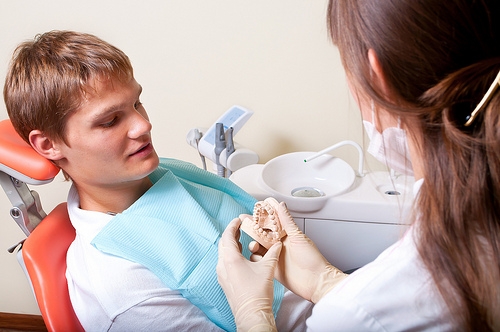
When you first start thinking about going to the orthodontist, it is normal to feel apprehensive. What will your orthodontic experience bring? Whether you have been advised by a dentist or chosen to seek out orthodontic care from Dr. Tony Skanchy on your own, there are a few things you can do to prepare for your initial consultation at Alta View Orthodontics.
One of the best ways to prepare for an orthodontic consultation is to understand your options. With so many choices available today, orthodontic care is a lot more versatile than in the past. You can start preparing now by seeking out and understanding those options. With a few specific things in mind, you can be totally confident and prepared for your consultation.
Questions to Ask During the Consultation
As you consider orthodontic care, it is likely that a few questions may naturally arise. Don’t be afraid to ask any questions you might have. Our orthodontic team is here to help. Here are just a few examples of questions you may want to ask at your consultation.
- Is there an estimated length of time that I will likely require braces?
- How much should I expect to pay for my treatment? What are the payment options?
- Does getting braces hurt? Is there anything I can do to prevent or minimize pain?
- Is it likely that I will be wearing extra appliances in addition to braces to correct my overbite or other problems?
- Are there specific foods I will need to avoid when I get braces?
- Will braces prevent me from playing my favorite sport or musical instrument?
- How can I keep my teeth clean with braces?
- How often will I be expected to come in for checkups and other appointments?
Once your consultation is over, you don’t have to feel like your options are exhausted. If questions arise after the consultation, don’t be afraid to ask. Our orthodontic team will be here to help throughout the entire process.
Confidence throughout the Process
With answers to your questions, and an orthodontic team on your side, you can be confident about any necessary orthodontic treatments. From the initial consultation to the day your braces come off, your orthodontic treatment at Alta View Orthodontics can be a smooth and simple process. The moment you see that beautiful smile, you’ll know it was all worth it.
We love bringing nothing but the most amazing smiles to our patients!
January 19th, 2016

Invisalign Teen is one the newer styles of braces, and perfect for those who do not like the standard metal braces. They are available in a clear material that is practically invisible called aligners that are replaced every two weeks. The aligners are custom made for each patient and gradually straighten teeth without all of the metal and rubber bands that come with traditional braces.
Is Invisalign as effective?
If your child will wear them as directed to, then the answer is yes, they are as effective as traditional metal braces. However, to make sure the child is actually wearing them correctly you will notice a small blue spot on the back of each aligner. This is called an indicator and if worn correctly will fade over a period of two weeks. Dr. Tony Skanchy will be able to tell if the patient is not wearing them correctly.
Can Invisalign be removed?
Parents should be aware that the Invisalign aligners can be removed for up to four hours per day to eat, brush teeth, play sports, or play musical instruments. With the option of removing them it actually makes brushing and flossing easier and helps oral hygiene. The recommended time to wear them is at least 20 hours per day.
How long does treatment take and what is the cost?
Your teen will wear Invisalign as long as traditional braces. However, each patient is different so you should speak with Dr. Tony Skanchy to determine how many months your child can expect to wear them.
The cost is also very similar to other traditional braces; however there is no set fee. The cost will depend on your child’s unique orthodontic need.
Overall Success
Invisalign Teen has had remarkable success because patients are happy to have the option of having clear aligners for treatment. With the child more confident they are actually more prone to keep up with their treatment and many do complete their treatment sooner. You should speak with Dr. Tony Skanchy as soon as possible to learn about the benefits of Invisalign Teen.
January 12th, 2016

Also known as onchophagia, the habit of nail biting is one of the so-called “nervous habits” that can be triggered by stress, excitement, or boredom. Approximately half of all kids between the ages of ten and 18 have been nail biters at one time or another. Experts say that about 30 percent of children and 15 percent of adults are nail biters, however most people stop chewing their nails by the time they turn 30.
Here are four dental and general reasons to stop biting your nails:
1. It’s unsanitary: Your nails harbor bacteria and germs, and are almost twice as dirty as fingers. What’s more, swallowing dirty nails can lead to stomach problems.
2. It wears down your teeth: Gnawing your nails can put added stress on your pearly whites, which can lead to crooked teeth.
3. It can delay your orthodontic treatment: For those of our patients wearing braces, nail biting puts additional pressure on teeth and weakens roots.
4. It can cost you, literally: It has been estimated that up to $4,000 in extra dental bills can build up over a lifetime.
Dr. Tony Skanchy and our team recommend the following to kick your nail biting habit:
- Keep your nails trimmed short; you’ll have less of a nail to bite.
- Coat your nails with a bitter-tasting nail polish.
- Ask us about obtaining a mouthguard, which can help prevent nail biting.
- Put a rubber band around your wrist and snap it whenever you get the urge to gnaw on your nails.
- Think about when and why you chew your nails. Whether you are nervous or just bored, understanding the triggers can help you find a solution and stop the habit.
- If you can’t stop, behavioral therapy may be an effective option to stop nail biting. Ask Dr. Tony Skanchy and our team for a recommendation.

 Website Powered by Sesame 24-7™