Our Blog

Taking Charge of Your Dental Health

August 12th, 2020

Now that you’re a teenager, you have a lot more responsibility and independence. Choosing high school classes and electives. Getting a driver’s license. Landing your first job. And those new responsibilities extend to your dental health as well!

  • Braces

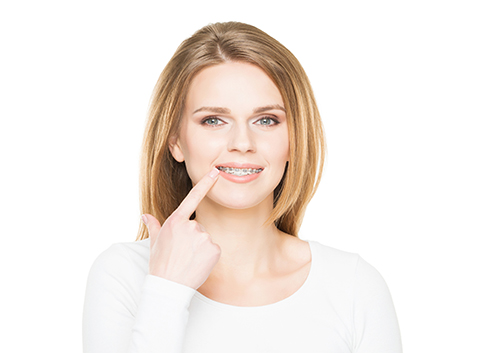
If you’ve just gotten braces, you might feel a bit overwhelmed. Learning how to brush and floss effectively, attaching rubber bands several times a day, keeping track of your hours if you’re wearing clear aligners—it can seem like a lot. But you can do it! With time and practice, caring for your braces will become just another part of your daily routine. Dr. Tony Skanchy and our team are here to make sure you have all the information and tools you need to succeed. The most important thing to remember is that the better you follow our instructions, the quicker and more effective your orthodontic treatment will be.

  • Retainers

If you’ve successfully completed your orthodontic treatment, dealing with your retainer should be a piece of cake! We will give you clear instructions on how long each day you should wear your retainer. Sticking to this schedule is really important--if you don’t wear the appliance as directed, you can undo some of the progress you’ve worked so hard to make. And when you’re not wearing your retainer, be sure it has a safe life outside your mouth. Keep it in a protective case, and keep it someplace where the puppy/the washing machine/the cafeteria trash bin won’t find it.

  • Mouthguards

If you have a mouthguard for sports or athletic activities, wear it! Whether you have an over-the-counter device or a custom fabricated guard, it won’t do you any good hiding in your locker. A mouthguard cuts down on tooth and facial injuries caused by falls, physical contact, or other accidents that might happen in your active life. And if you wear braces, ask about a mouthguard designed to fit around them. These custom devices protect your braces and your mouth.

Finally, remember that sticking with your dental routine—two minutes of brushing morning and night and thorough flossing each day—will keep your gums and teeth healthy throughout your teen years. And, if you have any questions about your dental health in general, or a specific dental concern, give our Sandy, UT office a call! We’re here to work with you for a lifetime of beautiful smiles.

Spot Check

August 5th, 2020

After all your hard work, and months of orthodontic treatment, the big day is finally here—your braces are coming off! What you want to see: beautiful, straight teeth perfectly aligned to create a comfortable, healthy bite. What you don’t want to see: a collection of whitish spots dotting the enamel around your gum line or outlining the spot where your brackets used to be.

What are these spots? Can they be removed? And, most important, how do you avoid them?

Decalcification

Those white spots are caused by decalcification, or the removal of the minerals, especially calcium and phosphorus, that strengthen our enamel. How does this removal take place? When bacteria and plaque remain on the teeth, they produce acids that eat away at these minerals. The result is a weakened, discolored white spot in the enamel. Unfortunately, because many orthodontic patients don’t brush thoroughly around their braces, decalcification is an all-too-common problem.

Treating Decalcification

You might need cosmetic dentistry to eliminate or reduce white spots on the enamel. In some cases, they will fade over time, or teeth whitening can help. In more stubborn cases, tooth bonding or veneers can cover the affected enamel.

Preventing Decalcification

But, obviously, prevention is always better than treatment. Here are some of the ways to keep your enamel healthy and looking its best:

  • Brush thoroughly after every meal.

Getting rid of the bacteria and plaque on your enamel and around your gum line will greatly reduce your chances of decalcification—and cavities. Brush after every meal, and talk to us about the best products and techniques for cleaning your teeth and appliances. And be sure to spend the extra time you’ll need for brushing around your braces.

  • Floss

Even though it can be more difficult to floss with brackets and wires, it’s essential for removing plaque. We have suggestions for special flosses designed for braces wearers, and how best to use them. A water flosser can be helpful for reducing plaque if other flossing methods aren’t working.

  • Use fluoride toothpaste

Fluoride actually helps remineralize our teeth, replacing the important minerals that have been lost to acid attacks. We might also suggest remineralizing toothpastes or a fluoride rinse.

  • Watch your diet

Acidic foods increase the acidity levels in your mouth, sugars give bacteria the fuel they need to produce acids, and sticky foods allow bacteria to remain on teeth and braces longer. We’ll give you suggestions on the best foods to keep your teeth healthy (and your braces intact) while you’re undergoing treatment.

  • Have your teeth cleaned regularly

Your dental professional will be able to remove plaque and tartar that home brushing has missed.

  • Work with us!

If we let you know that you need to spend more time on your cleaning routine, or that you need to be more thorough when you brush and floss, take our suggestions to heart. We are happy to show you the most effective way to clean around your braces. Dr. Tony Skanchy can recommend the best dental products for your specific needs. We can suggest rinses and toothpastes that will help. We’ll let you know how much time you should spend brushing and how often.

If you have any questions at all about keeping your teeth and braces their cleanest, we are here to help. Always feel free to talk to our Sandy, UT team about concerns you might have about decalcification, discoloration, or any other potential problems. We are want to make sure that when your braces come off, you have every reason to smile!

Electric Toothbrushes vs. Regular Toothbrushes

July 29th, 2020

Convertible or sedan? Downtown or suburbs? Electric or manual toothbrush? As life decisions go, it’s certainly not choosing your next car, or deciding where you want to live. But, even when you are selecting a toothbrush, it helps to make a list of the pros and cons of the contenders before you make that final selection.

  • Efficiency

The most important factor in choosing a toothbrush is finding out which model works best to eliminate bacteria and plaque. And studies have shown that, used properly, both electric and manual toothbrushes do a great job of removing plaque. Some electric models can reach the backs of teeth and the gumline more easily, some manual head designs work better for your individual mouth and teeth, so your particular needs should dictate which style of toothbrush you use. Talk to us about the best methods to brush with your preferred toothbrush, and we’ll let you know if one type of toothbrush or the other might work better for you.

  • Health Considerations

Brushing too energetically can actually harm teeth and gums, causing sensitivity and damage to the enamel and gum tissue. An electric toothbrush should provide a continuous brushing motion without needing any pressure from the brusher. This might be the model for you if you have a too-vigorous approach to brushing, or sensitive teeth and gums.

An electric toothbrush can also be more efficient for older and younger brushers, those with limited mobility, and those with health conditions or injuries that make brushing with a regular toothbrush more difficult.

  • Cost

An electric toothbrush is not a one-time investment. You should change the removable head as often as you change your manual toothbrush (every three to four months, please). But this cost is offset if an electric toothbrush is more efficient in removing your plaque, easier to use, or even if you just prefer it to manual brushing. If you find that you brush better and more often with an electric toothbrush, the added expense is well worth it.

Whichever brush you decide on, the most important part of the brush is the person holding it! A regular appointment with your toothbrush for two minutes of thorough brushing in the morning and two in the evening, daily flossing, and regular visits to our office for checkups and cleanings will keep your teeth healthy and strong no matter which toothbrush you choose.

Questions about your toothbrush choices? Don’t hesitate to ask Dr. Tony Skanchy at our Sandy, UT office.

Time to Brush Up on Brushing and Flossing

July 22nd, 2020

If your child has just gotten braces, chances are it’s a good time to brush up on dental hygiene! Why now? What’s different? And how can you help? Let’s take a few minutes and explore these timely questions.

Brushing and Flossing Are Especially Important with Braces

There’s no getting around it, it’s harder to clean teeth with brackets and wires. But it’s essential to pay attention to dental hygiene. When bacteria and plaque start building up, your child is at risk for gum disease, cavities, and tooth discoloration.

  • Gingivitis

This early stage of gum disease is the result of gum irritation caused by plaque. The gums become red, swollen, sore, and can bleed or start to recede. With proper brushing and flossing, gingivitis can be eliminated, along with the risk of developing more serious gum disease.

  • Tooth Decay

One of the major reasons for cavities is the erosion of enamel caused by oral bacteria. These bacteria feed on sugars from our diet and produce acids that attack the tooth’s surface. Plaque, formed by a mass of these bacteria, sticks around brackets and the gum line, putting your child at risk for cavities near his orthodontic work—which might require removing wires and brackets to treat.

  • Demineralization

When acids attack teeth, they remove the minerals from our enamel. This demineralization eventually leads to cavities, but in its early stages can cause white spots to appear where the mineral structure has been weakened. Braces wearers are at special risk for demineralization, especially around brackets and near the gums, where plaque can be missed while brushing.

Time for New Brushing and Flossing Techniques

Even if your child has always done a wonderful job of brushing and flossing, braces provide a new challenge for getting teeth their cleanest. Unfortunately, plaque buildup around the brackets and the gum line is all too common in orthodontic patients. Dr. Tony Skanchy can recommend some tools that make the cleaning process easier and more effective.

  • Toothbrushes

Manual brushes are available with small, soft-bristled heads designed especially for braces wearers. If your child still has problems getting rid of plaque and food debris, an electric toothbrush might be helpful. And remember, encourage your child to be thorough but gentle for the sake of both braces and gums.

  • Flossing with Braces

Flossing can be challenging for children at any time, but especially with braces. We’ll show you how floss threaders work, and how special flosses designed just for braces can fit under wires. This might also be a good time to invest in a water flosser. Your help demonstrating how to floss even with brackets and wires blocking the way will be appreciated by your child and your dentist!

  • Products Just for Braces

Interproximal brushes are tiny cone-shaped brushes designed to fit around brackets and wires and between teeth. We can also suggest special toothpastes and rinses to help fight plaque and prevent cavities from developing. Ask us about what to shop for to make both of your lives easier.

You Can Help!

  • Teamwork—Works!

When your child first gets braces, practice brushing and flossing together. Our Sandy, UT team will be happy to show you both the very best techniques for keeping teeth their cleanest and healthiest. Especially for young children, your help will make sure those techniques are learned and used.

  • Make Time for Cleaning

Your child’s before-braces routine might have meant brushing two minutes each morning and two minutes at night. But thorough cleaning around brackets and wires might take a bit longer. (And, with braces, it’s best to brush after every meal rather than the common twice-a-day routine). Be available, at least at first, for a quick check to make sure braces and teeth are their cleanest. And you may have to help with removing and replacing bands until your child gets the hang of it.

  • Be Prepared!

Whether it’s a day at school or an overnighter with friends, be sure your child has a kit filled with cleaning supplies ready to take along. A toothbrush, floss, an interproximal brush, toothpaste, a mirror—with these necessities, your child can keep on top of any cleaning emergencies.

For younger children especially, learning how to keep teeth and braces their cleanest can take some time. Be patient, be prepared, and be willing to help, and you and your child will have a new routine mastered—in no time at all!

Back to Top